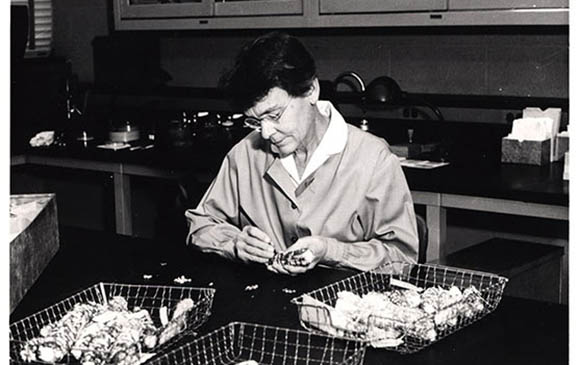


McClintock preferred working alone. She never married. She had few close friendships. Colleagues described her as intensely focused on research to the exclusion of social life. She worked 12-hour days in summer cornfields and winter laboratories. She found companionship in her corn plants. She treated each as an individual.
Her independence served her during decades of scientific rejection. Most scientists need validation from peers. They present work at conferences seeking approval and collaboration. McClintock did not need this. She knew her data were correct. She continued experiments regardless of outside opinion. This stubbornness let her persist when others would have abandoned transposon research.
But independence isolated her. After 1953, she stopped publishing in mainstream journals. She presented findings only at Cold Spring Harbor symposia. This limited her audience. Younger geneticists entering the field never encountered her work. They learned genetics from textbooks that omitted mobile elements. McClintock became scientifically invisible.
She lived simply at Cold Spring Harbor. She occupied a small apartment on the laboratory grounds. She grew vegetables. She walked in nearby woods. She required little money and owned few possessions. This lifestyle freed her from financial pressures. She worked because she loved understanding how genes behave, not for career advancement or recognition.


